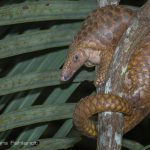
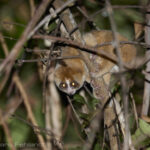
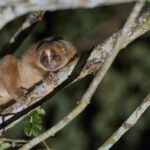
Sunda leopard cat – Prionailurus javanensis sumatranus (Horsfield, 1821) – of Borneo.
Prionailurus javanensis sumatranus is a taxonomically recognized subspecies of the Sunda leopard cat (Prionailurus javanensis). In the revised felid taxonomy, two subspecies are distinguished: P. j. javanensis (Java and Bali) and P. j. sumatranus (Sumatra, Borneo, and the islands of Palawan, Negros, Cebu, and Panay), with the Philippine populations described in that source as probably introduced (with a possible exception for Palawan). The genus Prionailurus is derived from Ancient Greek πρίων (príōn, “saw”) and αἴλουρος (aílouros, “cat”). The species epithet javanensis refers to Java (the type locality of the original description as Felis javanensis), whereas sumatranus refers to Sumatra. On Borneo, the Sunda leopard cat has been documented across a range of habitats, including tropical forests (including swamp and secondary forest), scrub and regrowth, selectively logged dipterocarp forest, and oil-palm plantations. Its behavior is generally described as predominantly solitary and mainly crepuscular to nocturnal, although diurnal activity can occur; it is recorded as a capable climber (including resting in trees), hunting both on the ground and in vegetation, and as a strong swimmer. For Sabah, mean home-range sizes of 3.5 km² for males and 2.1 km² for females have been reported. Diet consists primarily of small mammals, especially rodents (rats and mice); depending on locality it also includes birds, reptiles, amphibians, insects, and fish, and occasionally carrion and poultry. In studies from Sabah (Borneo), murid rodents dominated the diet, with Whitehead’s spiny rat (Maxomys whiteheadi) and the dusky-tailed tree rat (Niviventer cremoriventer) reported among the most frequently identified prey.


related posts: